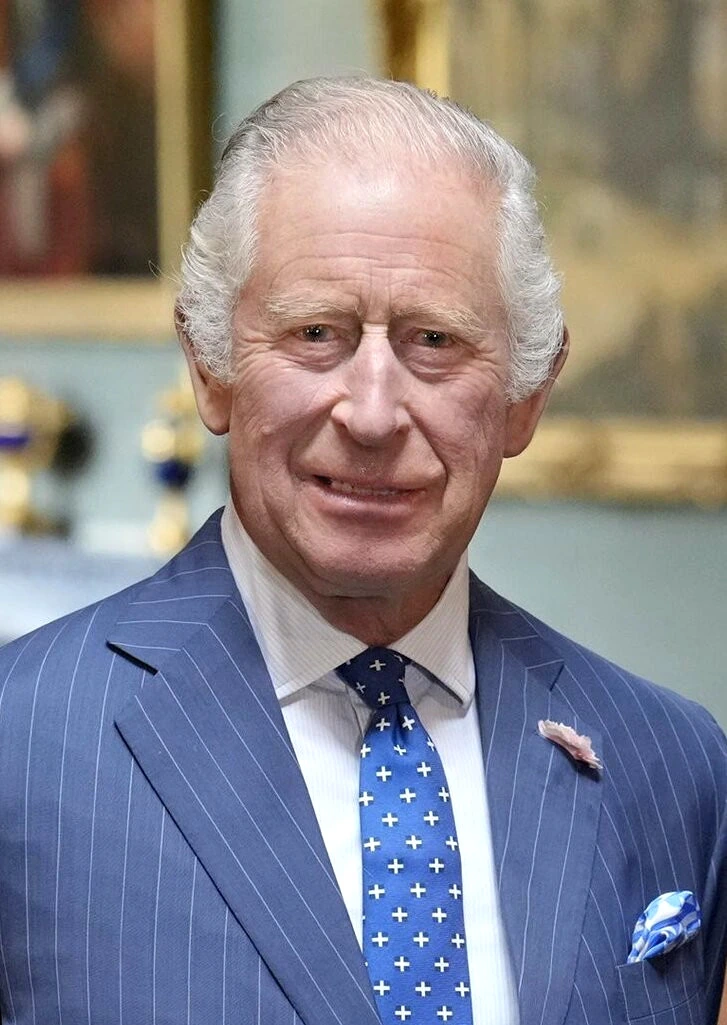
Wait, Which King Charles Are We Talking About?
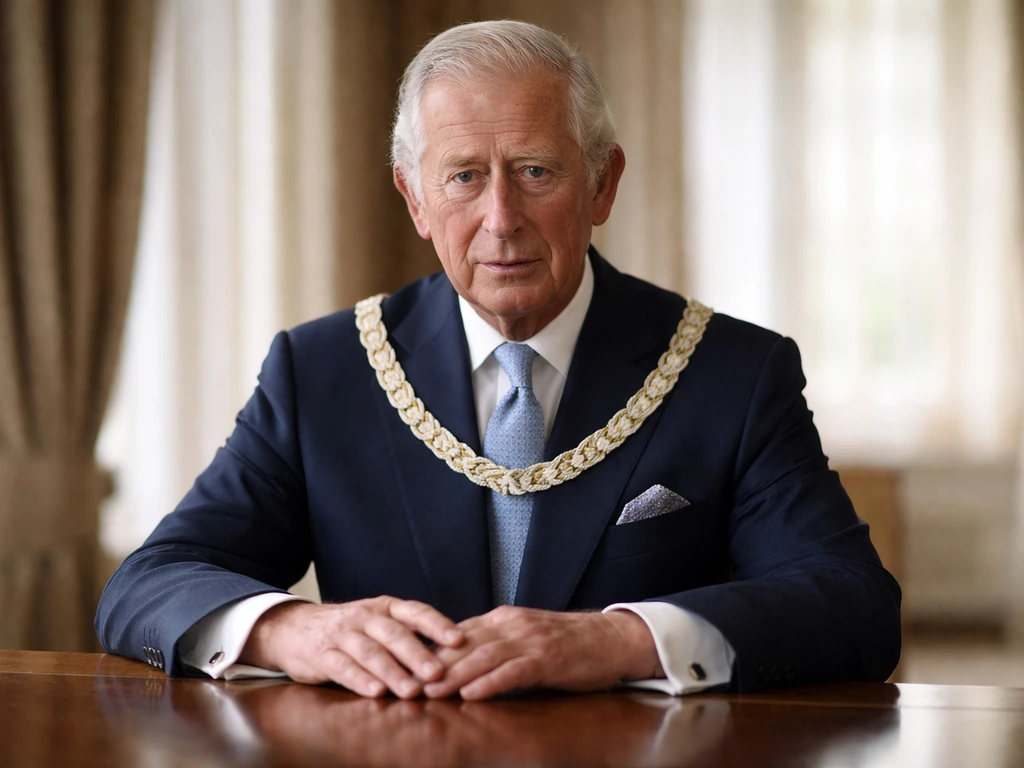
This article covers King Charles III, born Charles Philip Arthur George, who became the reigning monarch of the United Kingdom on September 8, 2022, following the death of Queen Elizabeth II. He is the current head of state and the person most people mean when they search "King Charles net worth" today.
If you are specifically looking for Charles's net worth, this distinction between personal wealth and Crown wealth is the key factor behind the wide range of online estimates King Charles net worth. If you meant lil charles net worth, this article’s King Charles III numbers are the ones to use King Charles net worth.
If you meant sir charles net worth, use these King Charles III estimates for context and keep the personal versus Crown distinction in mind. If you landed here looking for financial profiles of other notable people named Charles, whether that is a public figure, an entertainer, or a historical personality like Charles Carroll, those are covered separately on this site. Charles Carroll is a historical figure, and his wealth and legacy are covered separately on this site.
The name Charles is common enough that searches can pull up very different people, so it is worth being specific.
Personal Wealth vs. Crown Wealth: A Critical Distinction
This is the part that trips up most estimates, so it deserves real attention. When people ask about King Charles's net worth, they are usually imagining a single number that reflects everything he "owns." But the British monarchy runs on a layered financial structure that separates personal wealth from institutional or Crown-held assets in ways that matter enormously for any honest estimate.
There are essentially three buckets to understand. First, the Sovereign Grant: this is public money, calculated as a percentage of Crown Estate profits two years prior, paid to the Royal Household to fund official duties, staffing, and the upkeep of official residences. The Royal Household’s official “financial reports 2024-25” media pack also describes Sovereign Grant funding for 2024, 25 as £86. 3 million and outlines the “Core Sovereign Grant” and a Buckingham Palace Reservicing component [For 2024/25 this was £86](https://www.
royal. uk/media-pack/financial-reports-2024-25). For 2024/25 this was £86. 3 million, rising to £132.
1 million for 2025/26. The King does not personally pocket this money; it funds the institution. Second, the Privy Purse: this is income generated by the Duchy of Lancaster, a large landed estate held by the reigning monarch. The Duchy itself is worth around £679 million (per the most recent annual accounts to March 2025) and generated a net surplus of £24.
4 million in 2024/25, which flows to the Privy Purse as the King's private income for expenses not covered by the Sovereign Grant. Third, personal wealth: privately owned assets including real estate, investments, savings, vehicles, artworks, and collectibles that belong to Charles as an individual rather than as an office-holder.
Here is the key wrinkle: assets like the Crown Estate, the occupied Royal Palaces, and the Royal Collection are held "in right of the Crown", meaning the monarch oversees them by virtue of being on the throne, not as personal property. He cannot sell them or redirect their revenues for personal use. The Crown Jewels, for example, are constitutionally part of the Royal Collection and are not his to liquidate. So any honest net worth estimate has to decide whether to include these and on what basis, which is a large reason why published figures vary so dramatically.
How These Estimates Are Actually Calculated
No official, audited personal net worth figure for King Charles III exists in the public domain. Estimators, whether journalists, financial researchers, or rich list compilers, are working from a mix of disclosed information and informed inference. Here is how they typically approach it.
- Public financial disclosures: The Duchy of Lancaster publishes annual accounts. The Royal Household publishes the Sovereign Grant Report. The House of Commons Library updates its finances of the monarchy briefing. These are reliable starting points for income flows.
- Known asset categories: Estimators identify what Charles likely owns personally — property he inherited privately, investment portfolios, his stamp collection (inherited from George VI and reportedly one of the world's finest), racehorses, a car collection, and artworks held in a personal rather than Royal Collection capacity.
- Valuation assumptions: Some assets are opaque. Private share portfolios are not publicly disclosed. Real estate is estimated using comparable market values. The stamp collection alone has been valued at well over £100 million by some assessors.
- Inclusion/exclusion decisions: The Sunday Times Rich List tends toward a more conservative personal-assets-only approach, yielding the £640 million figure. The Guardian's investigation (published April 2023) applied a broader category scope and arrived at nearly £1.8 billion.
- Currency conversion: USD equivalents shift with exchange rates. TIME cited approximately $772 million (£610 million) for the 2024 Rich List figure; today's £640 million translates to roughly $800 million depending on the rate used.
The reason two credible outlets can produce estimates nearly three times apart is not sloppiness, it is a genuine methodological disagreement about what counts as personal wealth for a monarch. Include the Duchy of Lancaster's capital value as a personal asset and the number jumps significantly. Treat it purely as a Crown institution and it stays out. Neither approach is definitively wrong.
A Side-by-Side Look at the Main Estimates

| Source | Year | Estimate (GBP) | Estimate (USD approx.) | Scope |
|---|
| Sunday Times Rich List 2025 | 2025 | £640 million | ~$800 million | Personal assets, conservative scope |
| Sunday Times Rich List 2024 | 2024 | £610 million | ~$772 million | Personal assets, conservative scope |
| The Guardian investigation | 2023 | ~£1.8 billion | ~$2.2 billion | Broader asset categories included |
| Duchy of Lancaster (capital value only) | 2025 | £679 million | ~$850 million | Duchy estate assets (Crown-held) |
For most practical purposes, the £640 million figure from the 2025 Sunday Times Rich List is the current consensus headline estimate for his personal net worth. It is the most cited, most recent, and based on a methodology that has been applied consistently across years, making it useful for comparison over time.
What Actually Makes Up His Wealth
Based on The Guardian's category-by-category breakdown and supporting reporting, here are the main asset classes believed to contribute to King Charles III's personal fortune.
- Duchy of Lancaster income and associated assets: The Duchy provides around £24-27 million per year in net surplus to the Privy Purse. While its capital value (£679 million) is constitutionally Crown property, the annual income stream is genuinely personal.
- Private real estate: Charles owns properties in a personal capacity, separate from Crown residences like Buckingham Palace or Windsor Castle. Highgrove House in Gloucestershire, for example, is understood to be personally owned rather than Crown property.
- Investment portfolio and savings: Private shareholdings and savings accumulated over decades as Prince of Wales. The exact composition is not publicly disclosed.
- Royal Philatelic Collection: Inherited from George VI, this is one of the most comprehensive royal stamp collections in existence and is valued at estimated tens of millions to over £100 million.
- Artworks held personally: Distinct from the Royal Collection (which is held in trust for the nation), Charles holds personal artworks including his own watercolor paintings, which have sold at auction.
- Racehorses: A long family tradition; the value of the royal racing interests contributes a modest but real figure.
- Vehicles and personal effects: A notable car collection, jewelry inherited privately, and other personal property.
What is explicitly excluded from credible personal net worth estimates: the Crown Estate (worth billions but not his personal property), the Royal Collection of artworks and treasures (held in trust for the nation), the Crown Jewels, and the occupied Royal Palaces including Buckingham Palace and Windsor Castle. These are constitutionally off the table as personal assets.
Why the Numbers You See Online Vary So Much
If you have searched this topic before, you have probably seen figures ranging from £600 million all the way to £2 billion or beyond. A few things explain this. Some sites include Crown-held assets without flagging the distinction. Some use outdated exchange rates or carry figures forward from older estimates without updating. Others conflate the Duchy of Lancaster's capital value with personal wealth, or include the Royal Collection and Crown Jewels as if Charles could sell them tomorrow. The most rigorous estimates, from the Sunday Times Rich List and The Guardian's original investigation, are transparent about their methodology. Most other figures are essentially derivatives of these two sources, sometimes with the methodology stripped out.

Royal wealth estimates do not update daily, but there are reliable annual checkpoints worth knowing about.
- Sunday Times Rich List: Published annually, usually in May. This is the most consistently cited source for a personal net worth figure and uses a comparable methodology year over year, so it is useful for tracking change over time. Search 'Sunday Times Rich List King Charles' for the current year's entry.
- Duchy of Lancaster Annual Report: Published each year and freely available on the Duchy's official website. This tells you the estate's capital value and the net surplus paid to the Privy Purse. It is the most authoritative document on the Duchy income stream.
- Sovereign Grant Report: Published by the Royal Household at royal.uk, this details how public funding flows to the household and what it is spent on. It does not cover personal wealth but gives context for the institutional finances.
- House of Commons Library briefing 'Finances of the Monarchy': Updated regularly by Parliament's research service. This is one of the clearest plain-English explainers of the whole structure, free to access online.
- Investigative journalism: Outlets like The Guardian and The Times periodically revisit royal wealth with fresh reporting. These tend to produce the most detailed asset-by-asset breakdowns when they do run.
One practical tip: when you see a net worth figure for King Charles anywhere online, check whether it specifies the source and year. If it does not cite the Sunday Times Rich List or a named journalistic investigation, treat it with skepticism. The figure may be recycled from years ago or inflated by including Crown-held assets as personal wealth.
The Bottom Line
King Charles III's personal net worth is most reliably estimated at £640 million (approximately $800 million USD) as of the 2025 Sunday Times Rich List, making him one of the wealthiest individuals in the United Kingdom. A more expansive methodology, as used in The Guardian's 2023 investigation, puts the figure closer to £1. 8 billion when a broader set of asset categories is included.
The honest answer is that the true number is unknowable with precision because significant portions of his wealth are never publicly disclosed, and the line between personal and Crown-held assets is genuinely blurry. What we can say confidently is that his wealth is substantial, multi-source, and built on a combination of inherited assets, private investment, annual Duchy of Lancaster income (around £24-27 million per year), and decades of accumulation as Prince of Wales before his accession.
If you are researching other notable figures named Charles for comparison, this site covers a range of them separately, from historical figures to contemporary personalities across entertainment and business. Similarly, if you are specifically looking up Lil Charles net worth, you will want to cross-check the most recent valuation sources rather than rely on one viral number. If you are also checking Charles Price net worth separately, use the same care about sources and what the estimate includes.